Venue About València
València
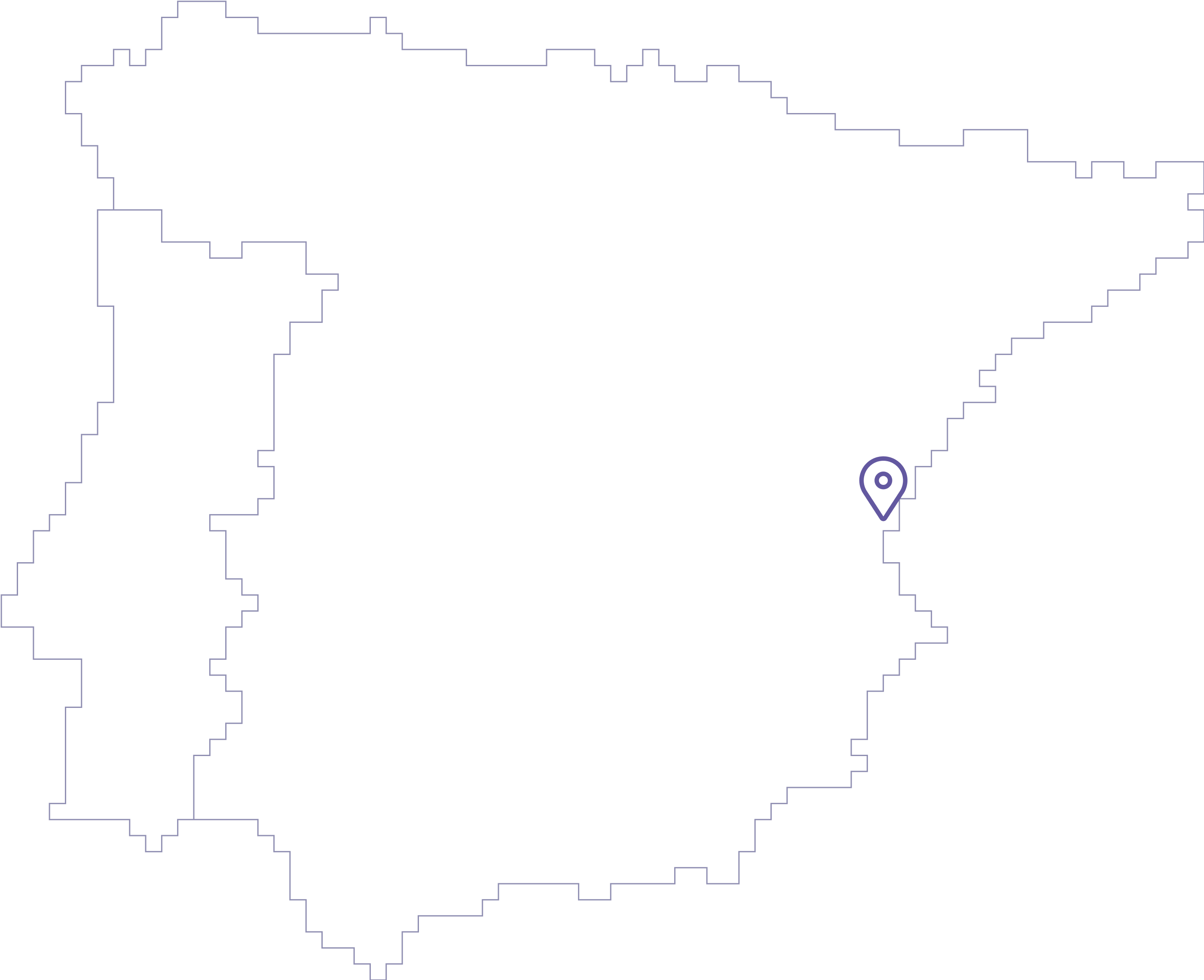
València, a vibrant Mediterranean city on Spain’s eastern coast, is a captivating blend of history, innovation, and natural beauty. With roots dating back to Roman times and with a wide Arab legacy, the city harmoniously weaves its rich past with a forward-looking spirit. From the winding alleys of the old town to the futuristic architecture of the City of Arts and Sciences, every corner of València tells a story of cultural evolution and creative energy.
Nestled between the Turia River Gardens and the shores of the Mediterranean Sea, València offers a unique lifestyle where tradition and modernity coexist. Visitors can explore Gothic cathedrals, Art Nouveau markets, museums representing various artistic disciplines and centuries-old festivals like Las Fallas (Intangible Cultural Heritage by UNESCO), while also enjoying cutting-edge gastronomy, contemporary art, and a thriving startup ecosystem. The city’s culinary scene, anchored by the world-famous paella, reflects its agricultural heritage and coastal abundance.
Recognized as a European Capital of Smart Tourism and a UNESCO Creative City of Gastronomy, València is also a hub for sustainability, innovation, and international collaboration. With its cosmopolitan atmosphere, dynamic cultural calendar, and welcoming spirit, València is not only a destination—it’s an experience that leaves a lasting impression.
Places to visit
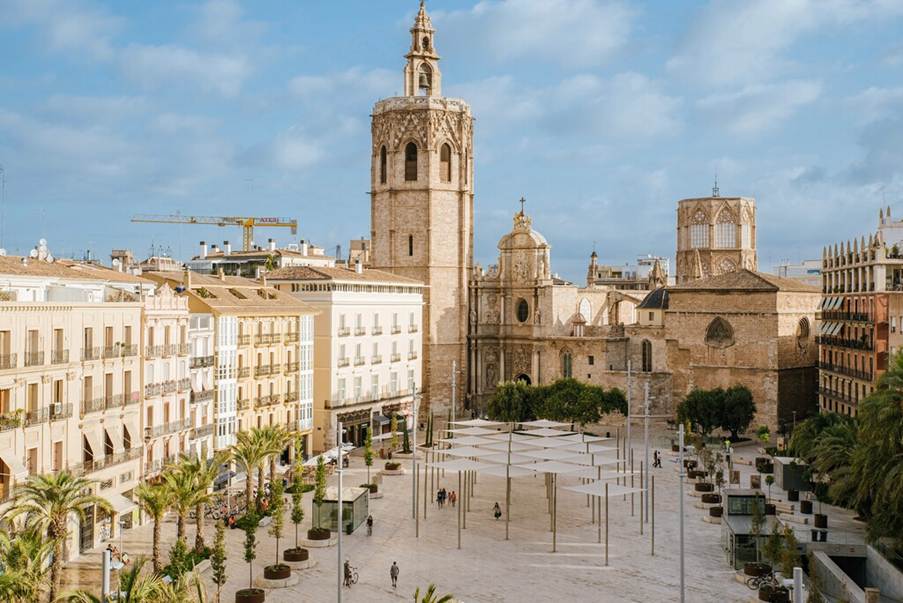
The cathedral
Built on the site of an ancient Roman temple that later became a mosque, The Cathedral of València is a Gothic-style building, although it preserves many elements from different periods, from Romanesque to Baroque eras. Adjacent to The Cathedral stands the Miguelete, a tower featuring a spiral staircase with 207 steps.
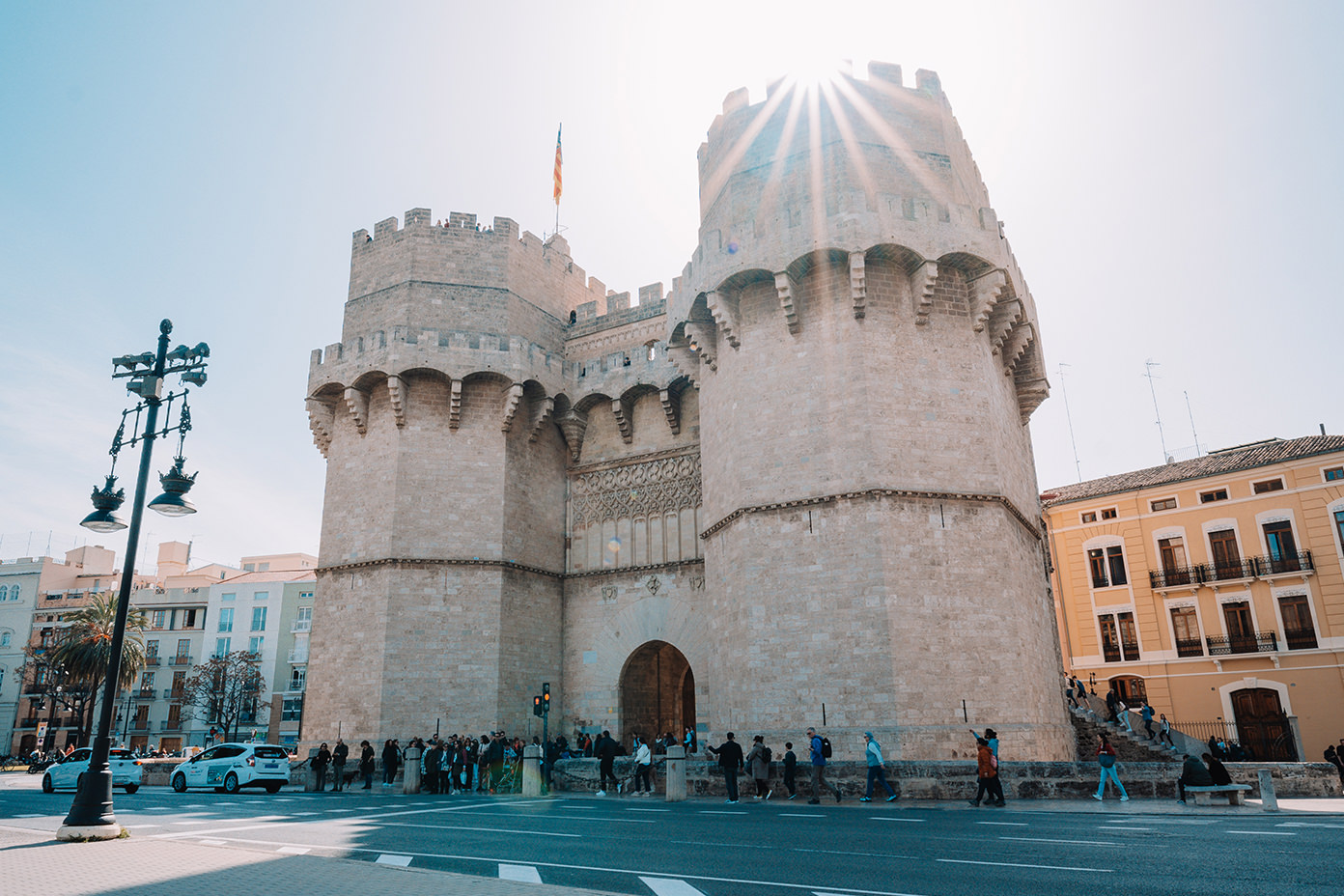
Torres de Serranos
The towers were designed to be defensive structures at one of the busiest city gates in the medieval wall that surrounded the city until 1865. The Serranos Towers were used not only as a defensive feature of the city, but also as a triumphal arch and as a prison for the nobility.
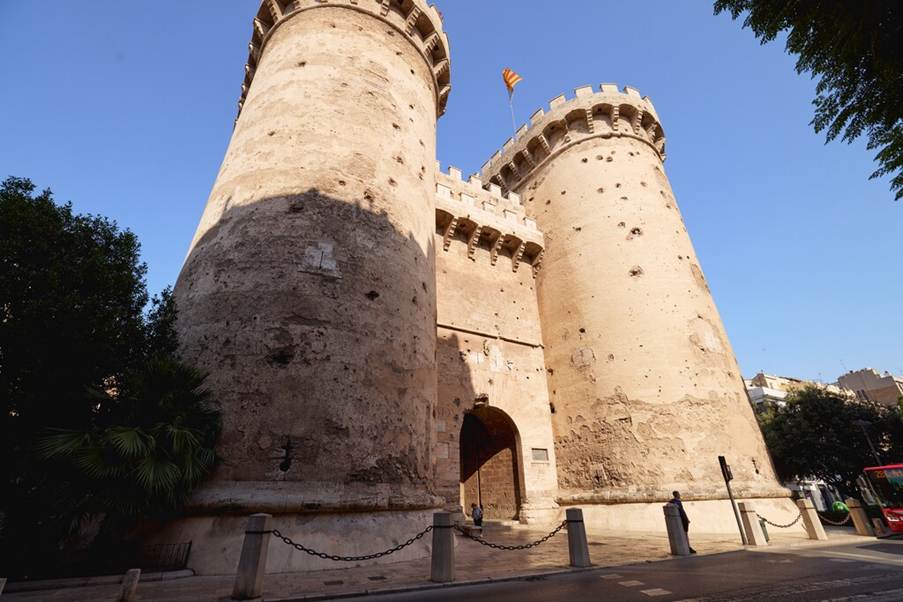
Torres de Quart
The Torres de Quart represent a notable example of late Gothic military architecture, and are also part of the medieval wall that surrounded the city. Cannonball marks from several sieges by Napoleonic troops during the War of Independence are still visible.
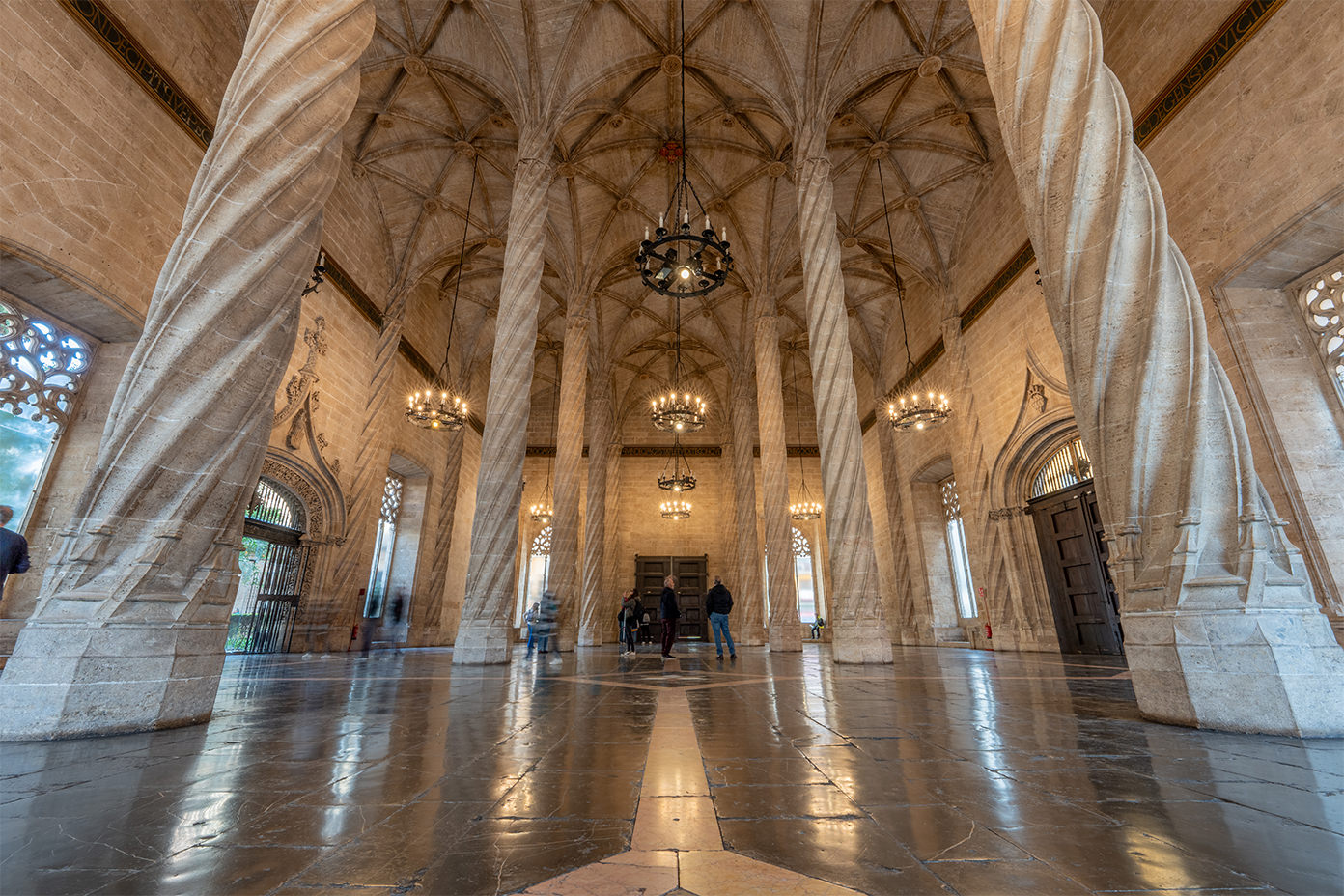
La Lonja
The Lonja also known in its early days as Lonja de los Mercaderes (The Merchants' Market) is an emblematic building of the city and one of the most famous civil Gothic monuments in Europe. It was built during València's Golden Age (15th century) as a trading centre and a veritable temple of commerce. The building's current name, Lonja de la Seda (The Silk Exchange), derives from the fact that silk weaving was the city's most powerful industry from the 14th to the 18th century. It was declared a World Heritage Site by UNESCO in December 1996.
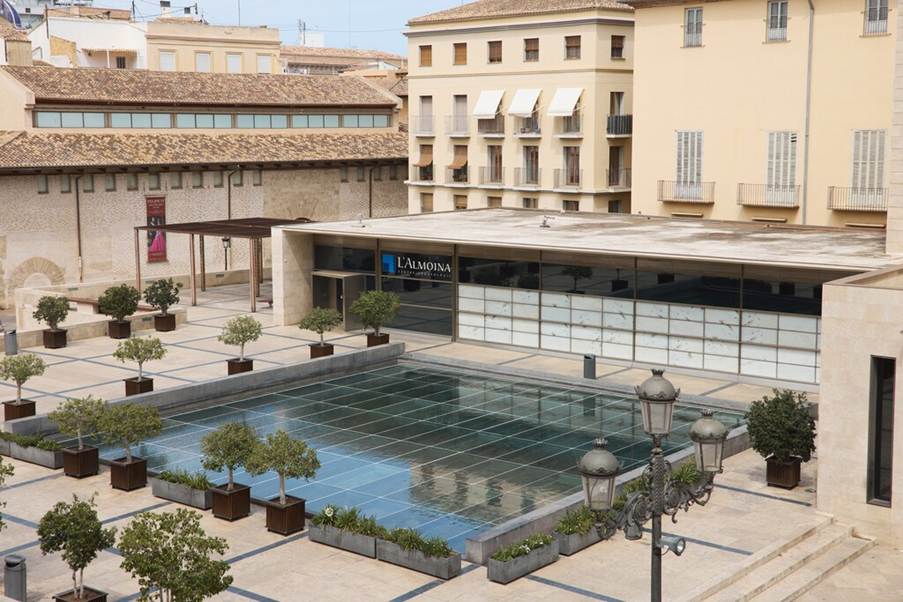
La Almoina Archaeological Museum
La Almoina Museum in València is no ordinary place: vestiges of the city’s history, from its founding by the Romans in the 2nd century BC to the Middle Ages, have been preserved in a single space. La Almoina Museum is a 2500 m2 space next to València Cathedral. In the medieval period, there was a charity centre for the disadvantaged on this spot. In fact, the Valencian word almoina means 'alms’, lending the museum its name.
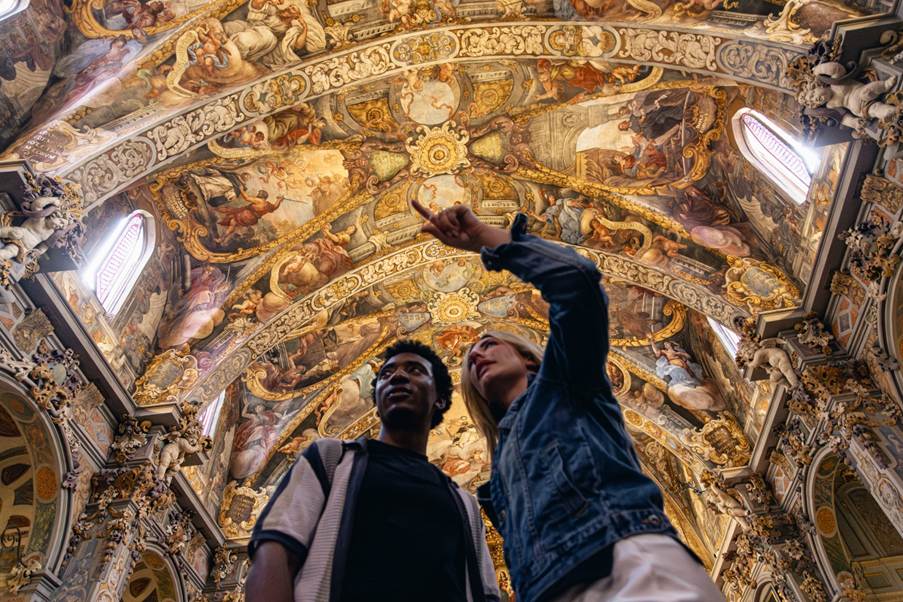
The Church of San Nicolás
The Church of San Nicolás de Bari, one of the first twelve Christian parishes in València, established in 1238, reveals stunning Baroque frescoes covering its vaulted ceiling. Its scale and beauty have earned it the nickname “Valencian Sistine Chapel”.
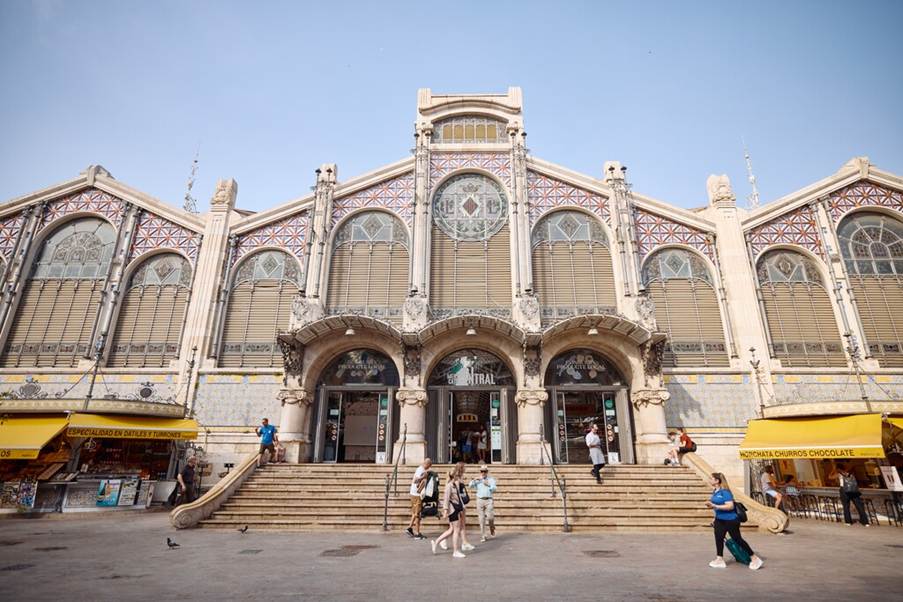
El Mercat Central
El Mercat Central (The Central Market) is the largest fresh produce market in Europe. It is located in one of the city’s most emblematic modernist buildings, full of decorative references to València’s orchards and gardens, and infused with all the flavour and aromas of the Mediterranean.
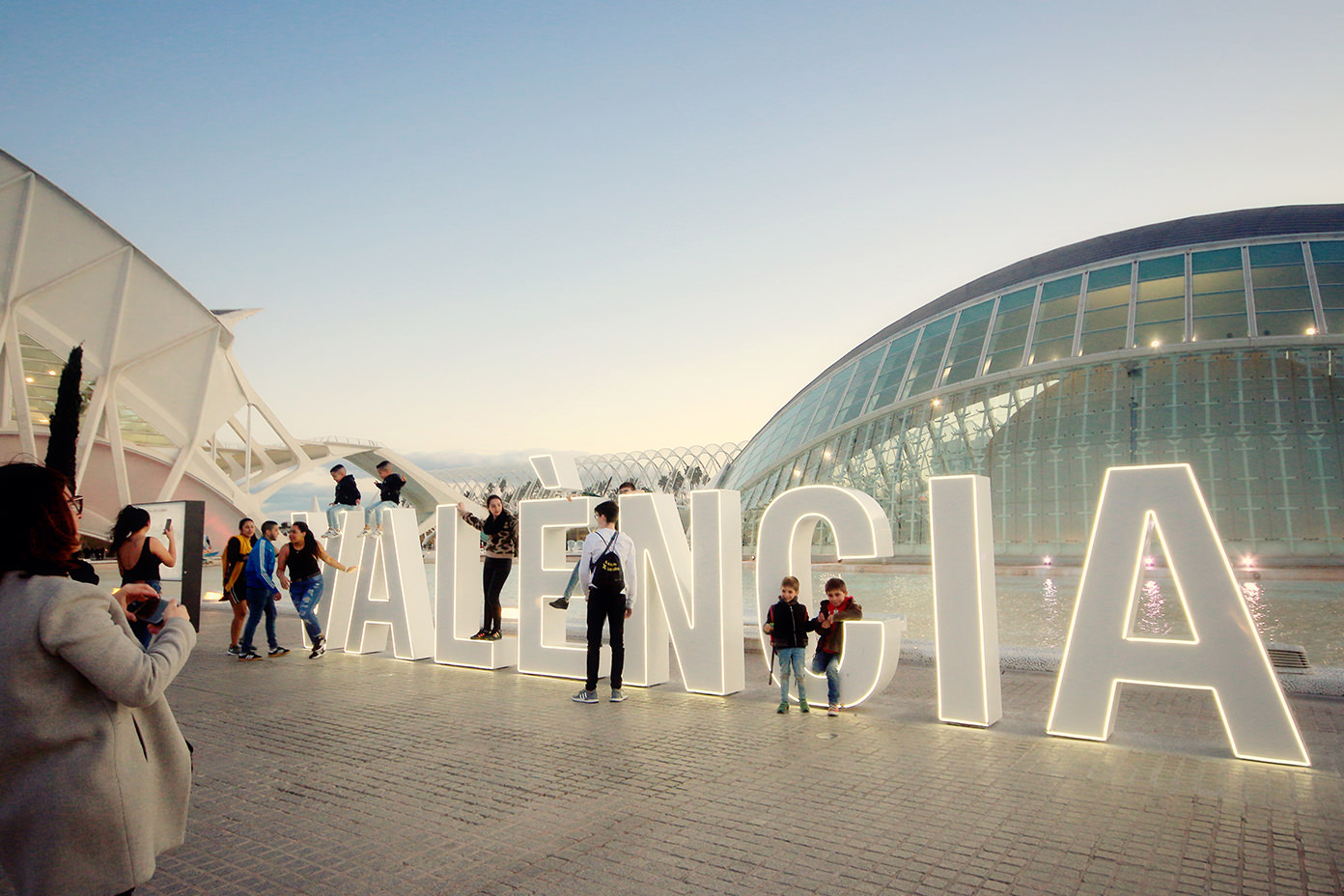
The city of Arts and Sciences
The City of Arts and Sciences (La Ciudad de las Artes y las Ciencias) in València is a spectacular and imposing space designed by architect Santiago Calatrava.
This centre for leisure and culture, with its avant-garde architecture, is set firmly within the 21st century.
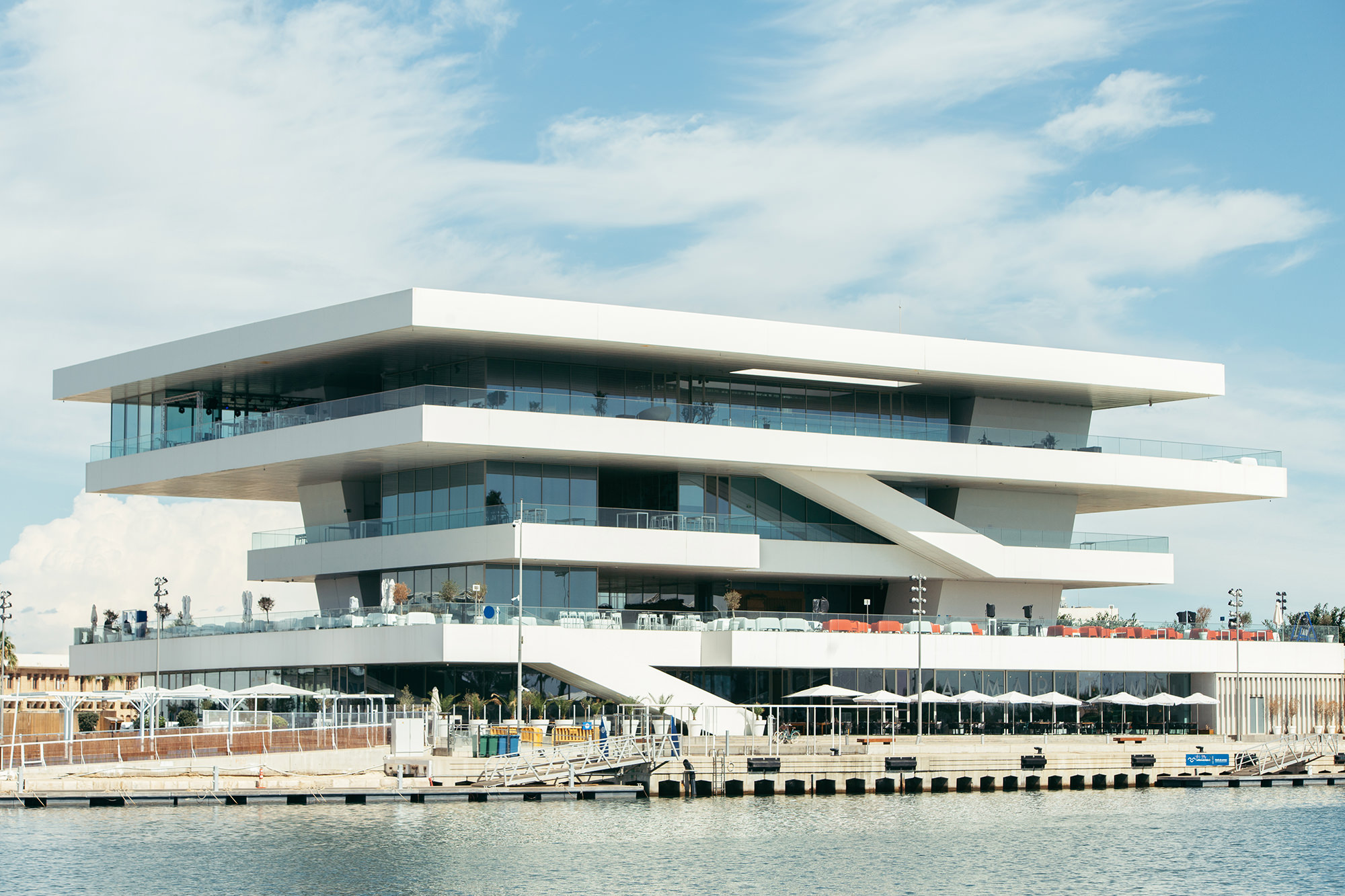
La Marina
The Marina of València, located next to the old harbour, is much more than just a port: it's one of the city's most vibrant spaces. Historic buildings such as the iconic Clock Building, the Tinglados (modernist harbour sheds for storing export products), and the Atarazanas (the old shipyards) are perfect for a stroll through history by the sea. Moreover, the Veles e Vents, an impressive building that hosts art, culture, and gastronomy, has become one of the architectural icons of València’s waterfront.
In short, one million square meters open to the sea where culture, gastronomy, sport, and innovation come together.
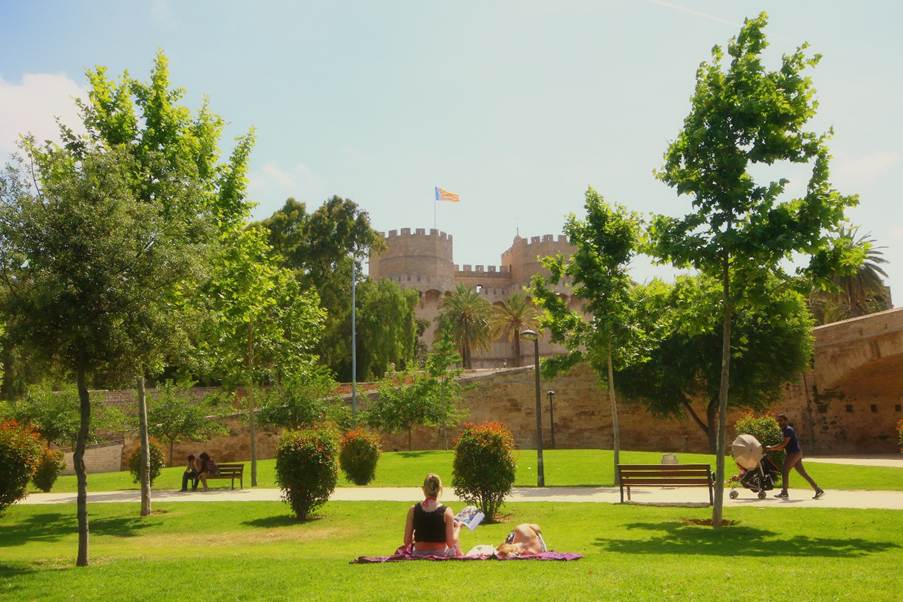
Los Jardines del Turia
The Turia River Gardens (Los Jardines del Turia o El Cauce as the Valencians call it) is one of the largest urban parks in Spain. It runs through the city along nine kilometres of green space over the former riverbed of the Turia River. Crossed by 18 bridges full of history, the Turia Garden passes by the city's main museums and monuments on either bank, creating a unique itinerary filled with palm and orange trees, fountains and pine woods, aromatic plants and ponds, sports facilities and rose beds. It is the perfect place for runners, cyclists, families and nature enthusiasts.
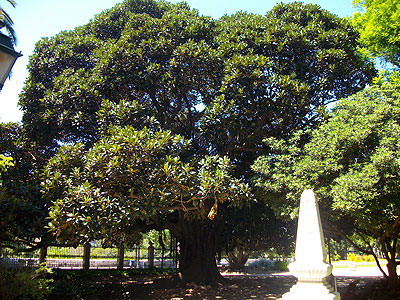
Los Jardines del Real
In the heart of the city, Los Jardines del Real (The Royal Gardens, also known as the Viveros Gardens) were originally founded by the Arabs. The historic character of these gardens, their extent and splendour, the profusion of sculptures, monuments and fountains contribute to making it one of the most outstanding in the city. The garden contains 2,769 specimens and 167 different botanical species. In the 11th century, a palace was built on the site, used by several kings during their visits to the city, and whose ruins are preserved in the oldest part of the gardens.
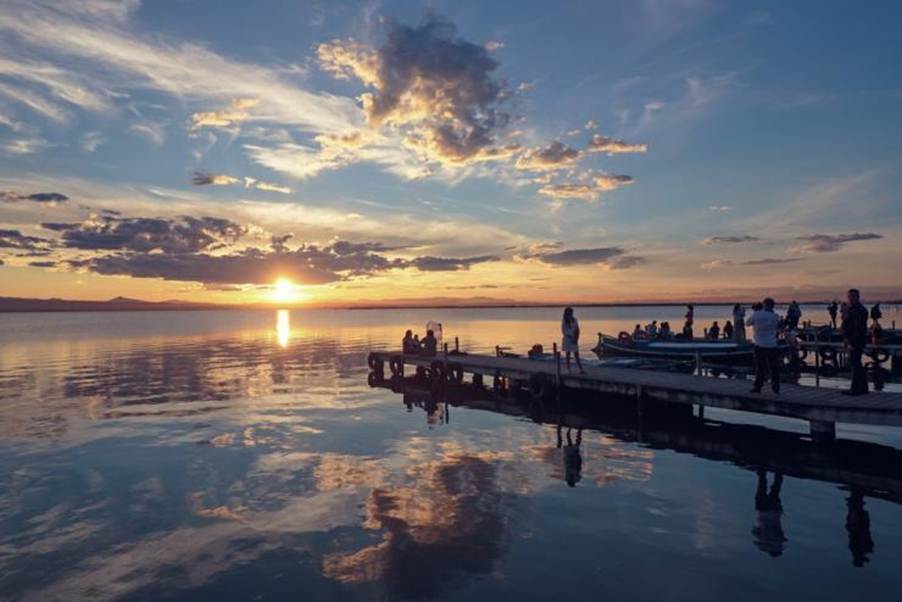
Parc Natural de L’Albufera
Just 10 km from the city, El Parc Natural de L’Albufera (Albufera Natural Park), a Special Protection Area (ZEPA), is nature in its purest form. Magical sunsets, wetlands, boat rides, and the chance to disconnect like nowhere else. An urban oasis surrounded by paddy fields and woods and where Paella – València’s traditional dish – was invented.