Opening, Plenary and Keynote speeches 
Opening speech
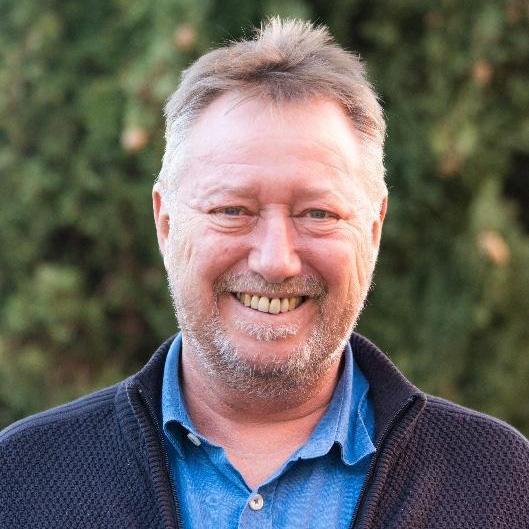
PhD Jean-Philippe Steyer
INRAE-LBE (France)
Anaerobic Digestion, an old story for today and tomorrow

Jean-Philippe Steyer is Director of Research at INRAE-LBE in Narbonne (https://narbonne.montpellier.hub.inrae.fr/). His areas of research include modeling and optimizing biological processes for waste and wastewater treatment and recovery. Over the years, the doctoral students he has supervised have worked on modeling microbial diversity, integrating thermodynamics into mass balance models, developing metabolic models in conjunction with innovative real-time instrumentation systems to obtain more accurate information on the dynamics of ecosystems in bioprocesses, as well as life cycle analysis to take environmental impacts into account. He has also broadened his areas of application, focusing on anaerobic digestion as a core bioprocess, but integrating it with innovative processes such as microalgae cultivation for sustainable bioenergy and bioproduct production.
Jean-Philippe Steyer is currently co-director of the INRAE metaprogram on “The bioeconomy for urban areas” (https://better.hub.inrae.fr/) and scientific director of the Explor’AE program on “accelerating high-risk research in agriculture, food, and the environment,” (https://explorae.inrae.fr/fr).
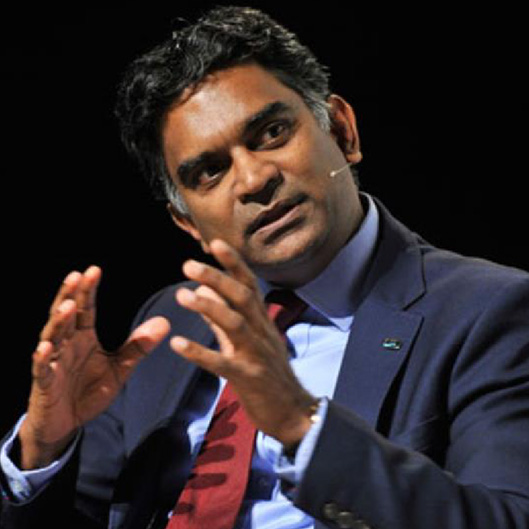
Prof. Kala Vairavamoorthy
Executive Director International Water Association (UK)
IWA Vision on Anaerobic Digestion
Kala Vairavamoorthy is an internationally recognised water resource management expert, with particular expertise in urban water issues. He combines a strong engineering background with practical international experience. He has published extensively and has a strong international profile working closely with the World Bank, UN-Habitat, UNESCO, GWP, SIWI and the EU. This includes leading several urban water management projects for the World Bank, African Development Bank, Asian Development Bank and DFID.
Prior to joining the International Water Association, he was the Deputy Director General for Research at the International Water Management Institute. Kala was also the Founding Dean of the Patel College of Global Sustainability and a tenured Professor in the Department of Civil and Environmental Engineering, at the University of South Florida (USA). Prior to that he was a full professor and Chair of Water Engineering at the University of Birmingham (UK), and Professor and Head of Core of Sustainable Urban Water Infrastructure Systems at UNESCO-IHE (Netherlands). He is currently Professor (adjunct) at the Indian Institute of Technology, Madras (IITM).
Kala has a PhD and MSc in Environmental Engineering from Imperial College, University of London, UK and a BSc (Hons) from King’s College, London.
Plenary speech
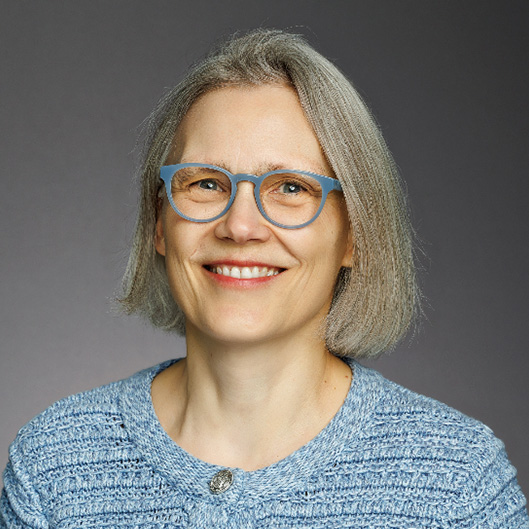
Prof. Lutgarde Raskin
Yale University (USA)
Nature-inspired microbiome engineering to retool anaerobic digestion
Dr. Lutgarde Raskin is a Professor in the Department of Chemical and Environmental Engineering at Yale University. Before this, she was a Professor of Environmental Engineering at the University of Michigan and the University of Illinois at Urbana-Champaign. Dr. Raskin is a pioneer in molecular microbial ecology applied to engineered water systems. She and her team are developing anaerobic bioprocesses for resource recovery from waste streams and studying microbial aspects of urban water systems to assist water utilities. She has a strong interest in graduate education and mentoring and has advised approximately 20 postdocs and 100 graduate students, including about 30 Ph.D. students. She is an elected Fellow of the American Academy of Microbiology, the International Water Association, the Water Environment Federation, and the Association of Environmental Engineering and Science Professors. She was elected to the U.S. National Academy of Engineering in 2021.
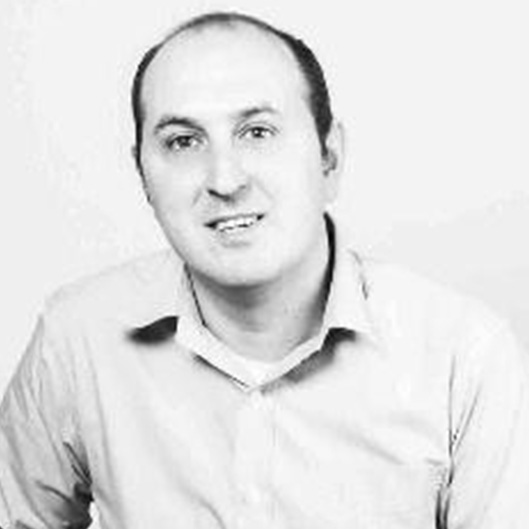
Prof. Raúl Muñoz
Universidad de Valladolid (Spain)
Broadening the bioproduct portfolio of anaerobic digestion via biogas and digestate bioconversion
Raúl Muñoz holds a Master–Bachelor Degree in Chemical Engineering from Universidad de Valladolid (2001) and a PhD in Environmental Biotechnology from Lunds Universitet (2005). Since 2005 he has developed his academic career at Universidad de Valladolid, where he became Full Professor in 2020. His research has focused on biogas upgrading and valorization, photosynthetic wastewater treatment, bioplastic valorisation and biohydrogen production.
He has published more than 420 international publications, 33 book chapters and edited two books. He has led 30 competitive European and National projects, and 41 industrial R&D contracts. He has supervised 34 PhDs and 32 postdocs, delivered 35 keynote lectures in international conferences, and received national awards for technology transfer from the Spanish Royal Academy of Engineering.
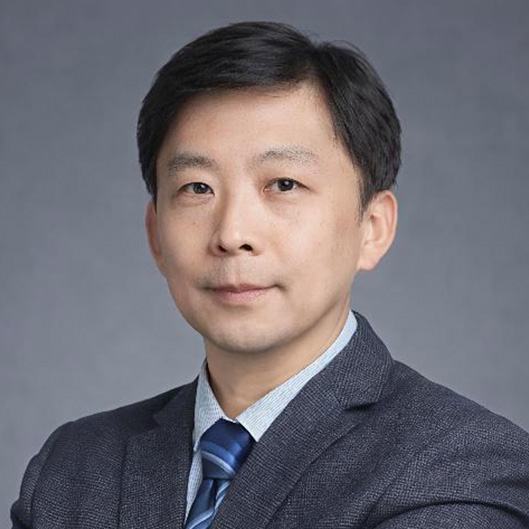
Prof. Chang Chen
Beijing University of Chemical Technology (China)
Fate of Biodegradable Plastics in Anaerobic Digestion: Potential Resources vs. Hidden Risks
Dr. Chang Chen is a Professor at College of Chemical Engineering, Beijing University of Chemical Technology, China. With over 15 years of dedicated research in anaerobic digestion, Dr. Chen has led more than 30 research projects and published 150+ papers in peer-reviewed academic journals. His work mainly focuses on three interconnected themes: 1. Microbial transformation mechanisms of biodegradable plastics (BPs): Unveiling specific microbial pathways and transformation processes of BPs under anaerobic conditions; 2. Process optimization: Developing pretreatment strategies (e.g., chemical/biological activation) and system-level engineering to enhance anaerobic degradation efficiency; 3. Environmental risk assessment: Evaluating the generation, persistence, and ecological impact of biodegradable microplastics (BMPs) in anaerobic environment.
Beyond BPs, Dr. Chen integrates microbial community engineering, metabolic engineering, and machine learning to improve methane production and resource recovery from organic wastes (e.g., agricultural residues, kitchen waste). His research bridges fundamental microbial ecology with applied bioprocess engineering, aiming to balance resource valorization and environmental sustainability.
Keynote speech
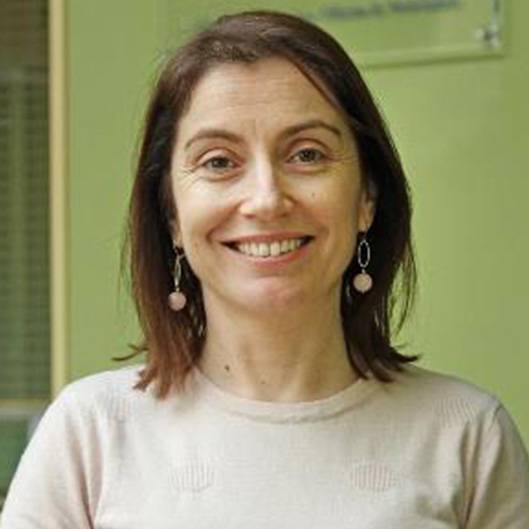
Assoc. Prof. Marta Carballa
University of Santiago de Compostela (Spain)
Bioprocess Engineering for Carboxylate Production: bridging experiments and mechanistic modeling
Marta Carballa is Associate Professor at the Department of Chemical Engineering of the University of Santiago de Compostela (Spain) and researcher of CRETUS (Cross-disciplinary Research Center in Environmental Technologies). She holds a PhD in Chemical and Environmental Engineering by the University of Santiago de Compostela and completed two postdocs at Pontificia Universidad Católica de Valparaíso (Chile) and at Ghent University (Belgium). Her research has focused on advancing anaerobic digestion technologies and the removal of emerging contaminants in wastewater and sludge treatment processes. Over the past decade, she has been leading a research line aimed at the selective production of volatile fatty acids from waste streams -reframing waste as a valuable feedstock within the circular bioeconomy
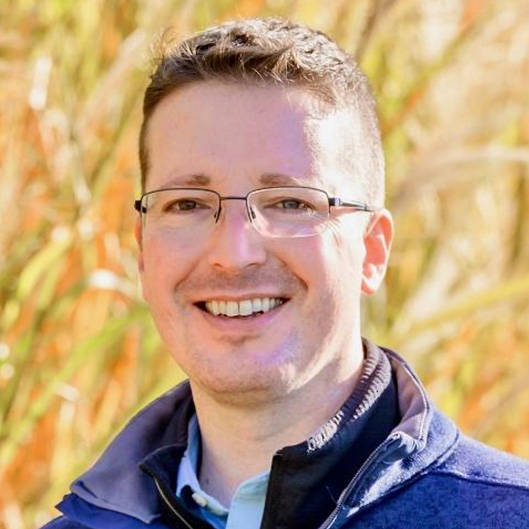
Prof. Jeremy Guest
University of Illinois Urbana-Champaign (USA)
Finding the opportunity space for anaerobic technologies in industrial wastewater valorization
Dr. Jeremy Guest is the Levenick Professor and Director of the Levenick Center for a Climate-Smart Circular Bioeconomy at the University of Illinois Urbana-Champaign. He holds appointments in the Departments of Civil and Environmental Engineering and, by courtesy, Chemical and Biomolecular Engineering. The core goal of Professor Guest’s research group is to advance circular bioeconomies for a more sustainable and just future. His team supports this vision by developing computational models to prioritize research, development, and deployment pathways for new technologies that achieve resource recovery from wastewaters and the conversion of plants to products, food, and fuels. Professor Guest’s formal training includes a B.S. and M.S. in civil engineering from Bucknell University and Virginia Tech, respectively, and a Ph.D. in environmental engineering from the University of Michigan.
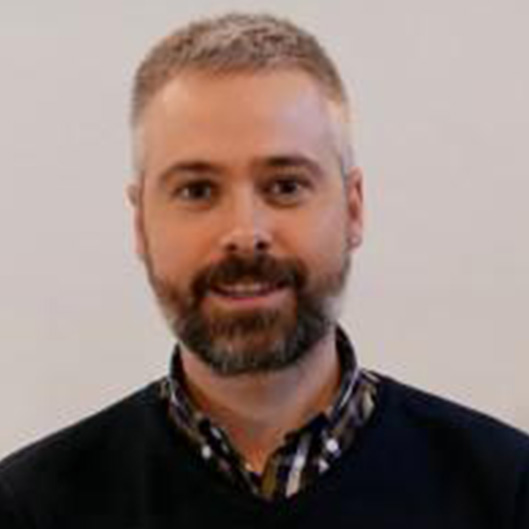
PhD Javier Climent
HYDRENS (Spain)
Diagnosis of full-scale Anaerobic digesters using Advanced Modelling and experimental techniques
Javier Climent is PhD in Industrial Technologies by Universitat Jaume I. Previously, he studied Chemical Engineering and Masters in Energy efficiency and Sustainability. Currently, he is the Managing Director at HYDRENS. He has been working in the water industry for optimization projects since 2011. He worked as a researcher at UJI in the Department of Mechanical Engineering and Construction, Area Fluid Mechanics, for 6 years, and he was Assistant Professor in Chem Eng. Dep for 2 years. He developed his PhD in Water Treatment modelling processes using Computational Fluid Dynamics (CFD). He is a member of the Multiphase Flow Research Group of UJI, and the CFD WWT modelling at the International Water Association (IWA). Moreover, he is the coordinator of the DAQUAS Task Group in Odour Management, member of the Chair UJI-FACSA integral water cycle, and professor of some of its courses.
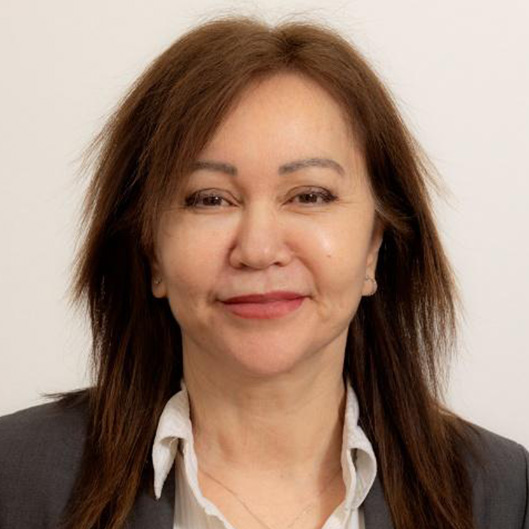
Prof. Irini Angelidaki
Technical University of Denmark (Denmark)
Microbes assisting technologies for CO2 capture and recycle
Professor at the Chemical and Biochemical department. Technical university of Denmark. She is leading the bioconversions center at the dept. Central to Irini Angelidaki´s (IA) research is the use of microorganisms for upcycling waste into valuable products, advancing both fundamental knowledge and applied technologies. She has been working with AD processes both for process optimization and developing novel concepts for moving beyond biogas. She has several hundred publications and an h index of 135 and is holding 5 patents on Biotech processes.
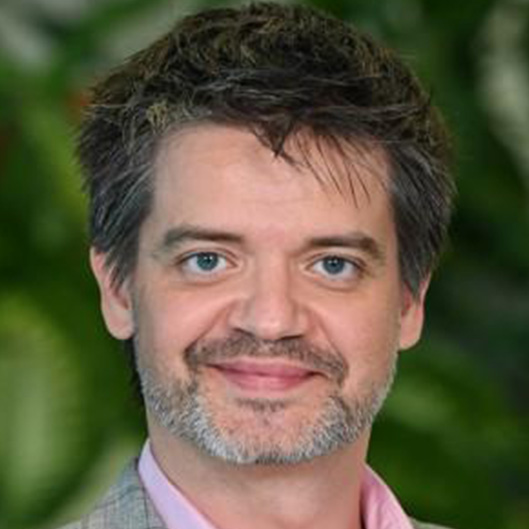
Prof. Jorge Rodriguez
Khalifa University (UAE)
Models for Learning, Models for Control in Anaerobic Digestion Systems
Professor Jorge Rodríguez is Professor of Chemical and Process Engineering at Khalifa University (UAE). His research focuses on mechanistic modelling and control of biological and environmental systems, with particular emphasis on anaerobic digestion and bioenergy processes. His work has contributed to the development of bioenergetic and metabolic modelling frameworks to describe microbial processes, as well as to the design of advanced control strategies for energy management in biological treatment systems. In addition to his work in microbial processes, he maintains a research line in the modelling of epidemiological systems, applying process systems engineering tools to the analysis of infectious disease dynamics. Professor Rodríguez serves currently as Chair of the IWA Anaerobic Digestion Specialist Group and has been named an IWA Fellow. He is also Editor in the journals Water Research and Chemical Engineering Science.
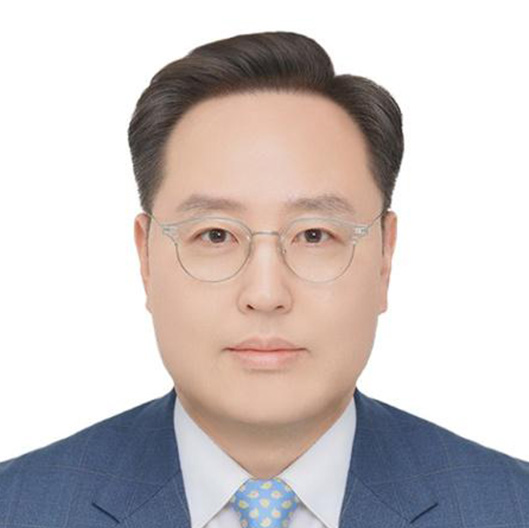
Prof. Jeonghwan Kim
Inha University (Republic of Korea)
Innovations toward sustainable anaerobic membrane bioreactor centered process for resource recovery, permeate quality and fouling controls
Dr. Jeonghwan Kim is a full professor in Department of Environmental Engineering at Inha University, Republic of Korea. He received his Ph.D. in Department of Environmental Sciences and Engineering from the University of North Carolina at Chapel Hill (2005). Before joining Inha University in 2008, he worked as Post-doctoral Research Associate in Department of Civil and Environmental Engineering at Michigan State University. His research interests are anerobic membrane bioreactor (AnMBR) and its centered processes for wastewater treatment and resource recovery. Specifically, his research areas on the AnMBR technology include fouling control and modelling tailored for reactor configuration, process intensification for methane production and permeate quality control as well as developing hybrid AnMBR system for high valued products and sustainable wastewater management.
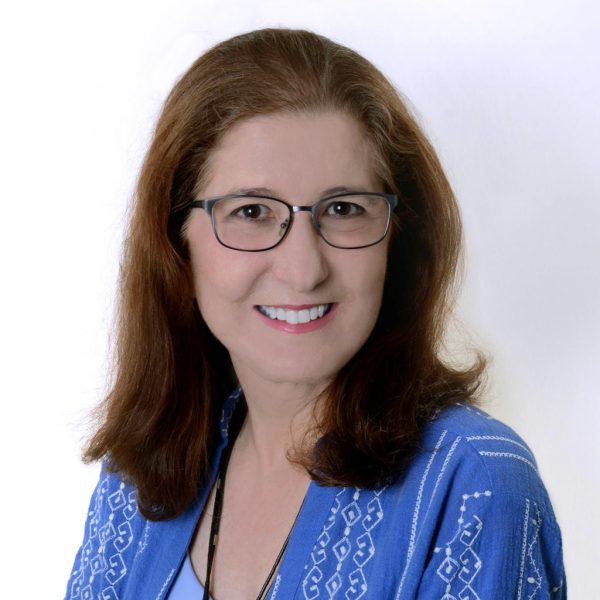
Prof. Lourdinha Florencio
Federal University of Pernambuco (Brazil)
Challenges of Anaerobic Wastewater Treatment in Tropical Countries
Professor Lourdinha Florencio holds a degree in Civil Engineering from the Federal University of Pernambuco (UFPE) and a master’s degree in Hydraulic and Sanitary Engineering from the University of São Paulo. She completed her doctorate in Environmental Technology at Wageningen University in the Netherlands, under the supervision of Professor Gatze Lettinga.
She is a full professor of Environmental Technology at UFPE. Her work includes numerous national research projects and international collaborations with countries such as Germany, China, Spain, and the United States. She has served as the national coordinator of Brazilian wastewater treatment and nutrient removal networks and participates in organizing and scientific committees of important congresses.
As an engineer, she has contributed to infrastructure projects and environmental assessment plans. She is a member of the Pernambuco Academy of Sciences and the Pernambuco Academy of Engineering and was awarded the National Order of Scientific Merit in 2010.
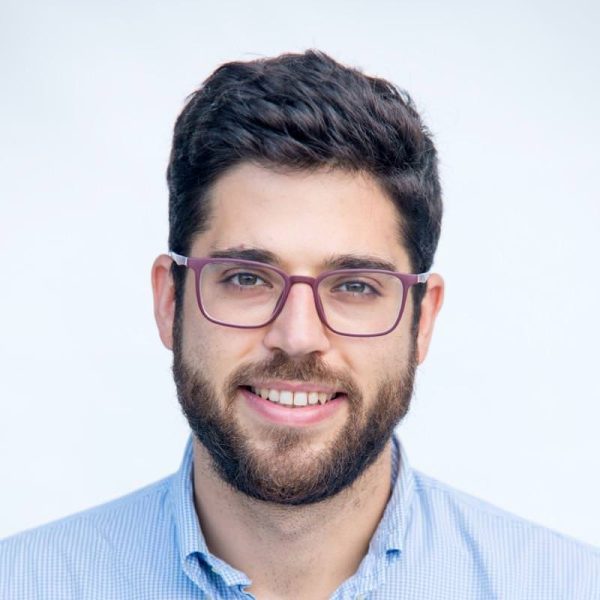
Mateo Pastur Romay
Cetaqua, Veolia (Spain)
From Sludge Treatment to Energy-Positive Utilities: Advancing Biogas Production in Wastewater Infrastructure
Mateo Pastur Romay leads Technical Innovation Strategy at Cetaqua, Veolia’s water technology centre in Spain, where he drives the development and deployment of innovative solutions to transform water and wastewater infrastructure into circular and energy-efficient systems. He brings experience across the full water sector value chain, spanning R&D, industrial applications and utility operations. Mateo has worked internationally with organisations such as West Basin Municipal Water District (USA) as well as Cetaqua Chile and Aguas Andinas, contributing to advanced water reuse and treatment initiatives. His work focuses on translating technological innovation into scalable solutions for utilities and industry.